Monday, August 10, 2009

Saturday, August 8, 2009
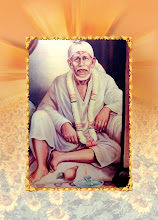
shirdi saibaba - close your eyes and say sairam
This is a childish spiritual video about Shirdi Saibaba who lived in 18th century dedicated to the followers of shirdi sai and the one who truly loves him.
The superior power envelops everything inside us and outside us extending to the furthers of all galaxies. Shirdi Saibaba has never ever claimed himself as a God or even an Avatar like today’s false saints boosting themselves leading a luxurious life. He himself said only that he was the humble servant of God and pleased and furthered all who came in contact with him.
God has agents everywhere and their powers are vast
Thursday, August 6, 2009
Birth Place of Shri.Nrusimha Saraswati - Karanja Darshan from Bangalore
Karanja is located in North-Central Maharashtra in Washim District. It lies just off the main State Highways connecting Shegaon, Nagpur, Amravati, Akola, Aurangabad, Nanded, and Adilabad. It is just 30 kilometers from the main Central Railway line from Mumbai to Howrah (via Nagpur).

By Railway - From Bangalore - there are 4 train operating between Bangalore and Nagpur. Alight at Nagpur Railway Station.
After reaching Nagpur, one has to board a Mumbai bound train to reach Akola or Murtijapur stations. The journey takes approximately 4 hours. After reaching Akola or Murtijapur, an hour's bus ride will take you to Karanja. Alternatively, there are ST buses that directly operate between Nagpur and Karanja & the journey takes 4 hours.
The nearest broad-guage railway stations to go to Karanja are Murtijapur and Akola. These are located on the rail route between Mumbai and Howrah (via Nagpur).The journey by train takes approximately 12 hours. After reaching Akola or Murtijapur, an hour's bus ride by the ST or private bus will take you to Karanja. From Murtijapur, you can also hop aboard a narrow guage train from Murtijapur to Karanja on the Yavatal line - more popularly known as the 'Shakuntala Railway'.
Accomodations Dharamshala (Lodging/Boarding House)
The Gurumandir Temple Trust operates a Dharamshala (Lodging/Boarding house) for out-of-town visitors to the temple. This is located just across the temple and is free of cost to the devotees.

Temple Priests It is not uncommon for the temple priests to invite visitors to stay at their homes for short periods of time. Please provide advance notice of your visit so arrangements can be made
Shri Nrusimha Saraswati Gurumaharaj is the 2nd avatar (incarnation) of Lord Dattatreya. Born in Karanja, He travelled far and wide in what are now known as the States of Maharashtra, Karnataka, and Andhra Pradesh. He achieved Sainthood and performed several miracles. He imparted spiritual knowledge to his disciples, many of whom themselves attained Sainthood.

The Gurumandir Temple conducts several major events to celebrate the various avatars of Lord Dattatreya. Over the past 70 years, Gurumandir has become a nucleus for religious and social welfare activities in the North Maharashtra (Vidarbha) region.

Shri Nrusimha Saraswati spent most of his life in the Krishna-Bhima basin, which today comprises the tri-state region of Maharashtra, Karnataka and Andhra Pradesh. He had divine powers and the common people from all walks of life experienced his divine abilities over a long period. He had many disciples and his work in vitalising the 'Sanatan Vedic Dharma' was remarkable. He rigorously practised the 'vedic' rituals in his daily life.
Shri Nrusimha Saraswati Maharaj is truly regarded as one of the great pioneers of 'Guru-Parampara'. He preached and convinced the total devotion and unflinching faith in one's `Guru' as the surest path to attaining 'moksha'.
Karanja, Narsobachiwadi, Ganagapur, Oudumber, are some of the prominent places where Shri Nrusimha Saraswati stayed and preached his disciples. He ended his 'avatar-karya' at Shri Shailyam in Andhra Pradesh by wading into the great Krishna River. He told his disciples that some flowers would come back from the river at the place where he entered the river. Exactly as he told, the flowers came and the disciples took them back as 'Prasad-pushpa'.
His life spanned over the late 14th century and greater part of 15th century AD. The 'Guru-Parampara' continues ever after.

Sage Karanj and the legend of Rishi Talav Sage Karanj had his hermitage here and hosted pilgrims and travelers. He was the famous disciple 'Patanjali' of the great saint 'Vashishtha'. He came to be known as Sage Karanj because his hermitage was situated in Karanj-van. Sage Karanj observed that scarcity of water resources caused great discomfort to pilgrims traveling through Karanja. He started digging a tank to collect rain water as well as water flowing from nearby streams and rivers. Goddess Renuka was immensely pleased with Karanj Rishi's efforts. She blessed him that the tank would have water as sacred as that of the famous rivers such as the Ganga, Godavari, Sharayu, Tapi, etc. She blessed that anyone drinking water from the tank would invariably attain 'moksha'. The tank exists even today and bears the name "Rishi Talav".

River Bemblaa A small river, known as 'Bembla', originates in Karanja. According to local folklore, the river flows underground for a few miles, before appearing overground. The river too is of historic significance. The river was formed from the drops of the river Yamuna when Yamuna was traveling with Sun, her father. Thus, the water of the river Bemblaa is considered very sacred due to its Yamuna heritage. Nature has granted generous water resources around the town. There are ponds (small lakes), on all sides of Karanja, which store rain water. They lift the underground water levels and are also watering points for cattle, wild animals, and birds.
Tirth-kshetra Karanja
Goddess Shakti made Karanja a permanent abode through her various avatars such as Kamakshi, Ekviraa, Chandravati (Gauri), and Yakshini. It is also stated in the 'Skand-Purana' that 'Chandra' (Moon) was asked to perform penance in Karanja to be relieved of the curse for his evil conduct with his 'Guru-patni', Tara. During his penance, Chandra built a temple for Lord Shiva and a water tank - named as the Chandreshwar temple and Chandra Talaav, respectively. Legend has it that due to the blessings of Sage Karanj, all species of snakes are full protected from their traditional enemies such as eagles and vulttures. In gratitude, the snakes blessed the residents of Karanja with full immunity from snake bites.
Other temples in Karanja The town boasts of several temples, some more than a 1,000 years old. Some of the more prominent ones are Shri Siddheshwar, Shri Chanreshwar, Shri Nageshwar, Shri Kamakshi Devi, Ekvira Devi, Yakshini Devi, those of Shri Ram (built by the famous Kannav Family of Karanja), Shri Vitthal, Shani Maharaj, Maruti and Shri Dattatreya. There are also a few old 'mathas'. Karanja is also a famous pilgrim centre for the Jain community. There are three beautiful Jain temples in Karanja.
Digambara Digambara Shripada vallabha Digambara; Digambara Digambara Avadhootha Chinthana Digambara.
Sripada Vallabha Kshetra Kuruvapur Darshan from Bangalore
SHRIKSHETRA KURUVAPUR is in Karnataka State, Dist.Raichur. It is situated on the Banks of Krishna River, 25 Km from Raichur. One can reach kuravpur by train or road from Bangalore.
Kuruvapur is about 30 kms distance from the district head quarter Raichur of Karnataka. There is bus facility from Raichur to Aathkur which is 1.5 hours journey. From Aathkur to Kuruvapur, every Person has to travel in Krishna river for 20 minutes in small boats or “butti”. (charge around 15 to 20 rupees).The connection Conveyance facility is available for each bus reaching Aathkur.

Accommodation at Kuruvapur : No lodging and boarding facilities are available at Kuruvapur. It is better to reach in the morning hours and should return in the evening by 5.00 p.m. Food packets, snacks, tiffins etc., have to be carried before reaching Kuruvapur. If at all one wants to stay at nights, the Pujaris of temple will arrange food (with prior intimation after reaching there) for a nominal amount and one has to take food and has to sleep in the premises of the mandir.

Bhagwan Shri Dattatrayas Kaliyuga's first incarnation is SHRIPAD SHRIVALLABH. His place of birth is PITHAPURAM (East Godavari). His working land (Karma Bhumi) & TAPSYA BHUMI is Shrikshetra Kuravpur, Dist. Raichur (Karnataka). His work and greatness is described in Dattatraya's Holy Book GURUCHARITRA in its Chapter No. 5 to 10. SHRIPAD SHRIVALLABH, himself lord incarnation staying there for upliftment of people and his behaviour made Shrikshetra Kuravpur a sacred land and holy place. The person who is fortunate enough to visit the land and take darshan will experience the calmness. It will be great experience of its kind in his life.

Importance of Kshetra : Kuruvapur is a famous place of lord Dattatreya. It is situated in the state of Karnataka In India.The first incarnation of Lord Dattatreya in kaliyuga is Sripada Vallabha. The birth place of Sripada vallabha is Pithapuram which is situated in Godavari district of Andhra Pradesh. He was taken his birth in the family of Appalaraju Sarma and Sumathi. He has performed penance at about 35 years for Gnana, Viragya siddhi at Kuravapur and closed his avathara On Ashweeja bahula dwadasi (Hastha star) in Krishna river of Kuravapur . The day is known as “GURUDWADASI”. But till today he is in sukshma rupa there and giving indirect darshan to the devotees who are having full faith on him. This place Is termed as Gurudweepa in Scanda purana.

Scanda purana explained that 28000 yogis and siddhis of Himalayas were visited this place and had darshan of lord Dattatreya. This place was named as Kuruvalaya in the days of Nizam government Period. The place is completely surrounded by Krishna river and is called as Dweepa. Tembe swamy majaraj (Sri Vasudevananda saraswathy) performed “Chaturmasya vratha” here in the year of 1911.The disciples of Tembe swamy Sri Rangaavadhootha, Gunavani maharaj were also performed penance here.

SHRIKSHETRA KURAVPUR is in Karnataka State, Dist. Raichur. It is situated on the Banks of Krishna River, 25 Km from Raichur. It is an island surrounded by holy waters of rivers Krishna. SHRIKSHETRA KURAVPUR is also known as KURGUDDI. This holy land is donated by a Rajak devotee. Since it is donated to temple priest, it is called AGRAHAR Temple is built as per Hemad Pandit Style. Old Banyan Tree, Audumbar, Gaytri Suryodasana and Cave where his holyness Sripad Srivallabh has done Dhyna. Now the cave has been refurnished and Nirgun Paduka (Foot Print) are kept for Darshan. Nagarkhana has been built by SHRI TUKDOJI HOLKAR. PARAMPUJYA VASUVANANDA SARASWATI MAHARAJ came to this place in 1911 (Vaishakh Shukla 6.) Maharaj did his 21st Chaturmas during his stay. A scorpion bite him when he missed his daily stostra offering prayers to shripad Shrivallabh is also one of the attractions. Mandir Utsav and religious rites performed here are a legacy of Parampujya Vasusanand Sarawati Maharaj. Parampujya Shridhar Swami has also stayed here. In the recent times Dattasam ptradayees Parampugya Gulavani Maharaj, Rangavdhut Maharaj, Nana Maharaj Taranekar, Mama Deshpande have done the Tapasya at this holy place. Recent period Datt Bhakta Also completed the construction work in Puratan Vatvruksha & also Audumbaras. Construction work of Shivaling and caves narrow point, part rooms also constructed for "Sadhakas". P.P. Vasudevanand Saraswati Dharamsala is also constructed. Shridhar Bhavan constructed work is completed.

Important places to visit at Kuruvapur : Sripada vallabha paduka mandir, 1000 years vata vriksha, The cave where Tembe swamy maharaj performed penance, oudumbar vriksha, Sreepada mudras on otherside of the river, Datta mandir at Sri Vithal Baba ashram.

Festivals & Daily programmes at Shrikshetra Kuravpur
At Shrikshetra various festivals are celebrated which are as follows:-
•Shripad Vallabh Jayanti - Bhadrapada Shukla 4
•GuruDwadashi - Ashwin Vadya 12
•Dattajayanti Margshirsha - Yadaya Shu 13 to Vadya 2
•Maha Shivratra
•Maghuvadya Pratipada / Shri Gurupratipada.
Digambara Digambara Sripada Vallabha Digambara;
Digambara Digambara Avudhootha Chinthana
Digambara.
Sreepada Shreevallabha Kshetra Pithapuram Darshan from Bangalore
How to Reach Pithapuram
Pithapuram is located in South Central Railway Zone, between Vijayawada and Visakhapatnam at a distance of 10 Kms. from Samarlakota Junction. Sreepada Sreevallabha Samsthanam is in the Gopala Swamy Temple Street, 1/2 a Km. from Pithapuram Railway Station.
Bangalore to SamarlakotaTrains sare:
Even there are lot of Bus facilities between Samarlakota and Pithapuram.

Accomodation at Mahasamsthanam:
Paduka Mandir a residential complex newly constructed for the devotees comprising of 16 rooms, 2 big halls was built in the Samsthan premises. It is a two-storied building with all amenities.
Temple Authorities
Manager,
Sri Pada Vallabha Anaga Datha Kshetram,
Pithapuram-533 450
East Godavari District
Phone No :08869-250855
Sreepada Sreevallabha Mahasamasthanam

Bharata Desa flourished as a holy land and a land of religious activities. Rivers and religious centres in this land are famous from ancient times. Among these Pithapuram is well-known. It is a divine holy 'Kshetra' of historical significance. This is situated on the river bank of Yela (Yeluru) in the Bhima region forming part of Trilingadesa'. Pithapuram is the place of origin for all important Datta Kshetras like Karanja, Kurupuram, Narsobawadi, Gangapur and Udumbara and is the birth place of Sreepada Sreevallabha who is verily Datta himself.
It has become a regular practice for many devotees of Datta from all the four corners of the country to visit the native place of Sreepada relying on the information in sacred books like 'Guru Charitra'. They are uttering aloud 'Sree Datta Sreevallabha'. They worship the Lord at this Kshetra and get salvation.
During one of such occasions on 11-11-1963, Monday Brahmajna Kavi Sri Deva Rao Kulakarni, his Guru Sri Sri Paramahamsa Satchidanandendra Saraswati Swamy visited 'Swayam Bhoo Datta' (self-originated Datta) in Sri Kukkuteswara Swamy temple in Sri Kshetra, Pithapuram. They carried on an extensive propaganda about the Lord. By their encouragement and the command of Sadguru Sridhara Swamy - a resident of Sajjanagadh, "Jaya Jaya Raghu Veera Samardha Sadguru" Sree Ramaswamy visited Sri Kshetra, Pithapuram. He is a dear disciple of Bhagavan Sadguru Sridhara Swamy who belongs to the sect of Samardha Ramadas. Sri Ramaswamy is an 'Upasak' of Datta and a strict observer of celibacy. He made up his mind that revealing the existence of the Lord at Pithapuram and informing the world about the greatness of this incarnation - are prominent parts of the service to Lord Datta. He got the temple of Dattatreya renovated and arranged daily worship there. He celebrated the worship of the Lord on a grand scale and undertook propaganda of Sreepada Sreevallabha in the home town of the Lord.

Afterwards he established 'Sree Dattatreya Bhakta Samaj' enlisting all devotees who were blessed by the Lord. The existence of Sri Datta and the significance of the incarnation of Sreepada Vallabha were widely propagated. From then many devotees from Maharastra, Karnataka state and from different areas of Andhra Pradesh are visiting Swami's Sree Kshetra. They are worshipping the Lord and are getting fulfilled. Gradually as the number of visiting devotes increased it was felt by Sri Rama Swamy Garu that providing accommodation to those devotees is an important duty and an essential part of the service to Datta. So he decided to construct a residential complex and encouraged the devotees towards that end. To manage these facilities an association with the name 'Sreepada Sreevallabha Maha Samsthan' was formed.
This association purchased a house with the contributions from devotees. The house was remodelled for better residential accommodation. At first they got planted an Audumbara tree by Vedic Pandits strictly according to scriptures on the northern side. Next a beautiful temple was constructed nearer to it and 'Paadukas' of the lord were installed. In this 'Paduka Mandir' very beautiful marble icons of Sreepada Sreevallabha, Sree Dattatreya and Sree Nrusimha Saraswati were installed.

On account of the firm resolve of Sri Ramaswamy garu, the efforts of the association and the help and cooperation of the devotes a big beautiful Mandapam was constructed in front of the 'Paduka Mandir'. This hall is useful for the 'Japa', 'Paaraayana', ‘Pradikshana’ and other spiritual activities. This hall is used for religious discourses by great people. A meditation hall was constructed behind the 'Paduka Mandir' with rooms for the religious austerities of Saints, Gurus and hermits.
Once you enter into the temple, complete the pradakshina and come in front of Dwaja Stamba you will be attracted by the “Yaka Sila Nandi (Single Stone Nandi). The Yaka Sila is second biggest after Lepakshi Basaveswara Nandi.
Pithapuram is equalent to Kasi:
According to “Bhimeswara Purana” of Srinath kavi Sarvabhuma, Pithapuram is one of the twelve pilgrims (Dwadasa Punya Keshatras). The sage told that Pithapuram is equalent to Kasi and also known as Southern Kasi (Dakshina Kasi).
About the pond-Padagaya
Pithapuram is third one of three Gayas of India.
• 1st is – Siro Gaya also familiarly known as “GAYA”, located in Bihar State.
• 2nd is – Nabi Gaya near to Jijapur Railway Junction, located in Orrisa State
• 3rd is – Padagaya Pithapuram, located in East Godavari District of Andhra Pradesh.
Digambara Digambara Shripad vallabh Digambara
Digambara Digambara Shripada vallabha Digambara; Digambara Digambara Avadhootha Chinthana Digambara.
Wednesday, August 5, 2009
Devotee Experiences/Sai Leelas
Sairam Devotees,
We are trying to collect Devotee Experinces of Shirdi Saibaba's Miracles in their personal lives and publish the same for the benefit of Sai Devotees. The names mentioned below are changed to maintain the secrecy of the Identity.
We would urge Saidevotees to mail their personal expiernces of Shirdi Sainath Maharaj by writing to us @ saiamrithadhara@gmail.com so that we can publish the same for the benefit of lakhs of sai devotees.
Experience 1
Wondorous Shirdi Saibaba "Udhi" completely eradicates "Asthama" of a Bangalore Devotee
It was around the year 1989. Mr.Ramesh had just finished his degree and was working for a private firm for a very small salary. He was suffering from Severe Asthama problem in addition to the financial problems of his family. He never new about Shirdi Saibaba at that time. There was a person by name Mr.Nagesh who was a colleague of Mr.Ramesh. Mr.Nagesh used to always uttering sainath's name and he would greet every body with the word "Sairam" whenever somebody wishes him with a "Hai" or "Hello". Mr.Ramesh who was very close to Mr.Nagesh was curious with the way Mr.Nagesh used to respond to people around him.
One day Mr.Nagesh asked Mr.Ramesh to come with him to Shirdi for Saibaba's darshan and told him that all his problems shall be solved if he comes to Shirdi and had darshan of Sri.Sainath Maharaj. But, Mr.Ramesh did not have money to spend at that particular time as the trip expenses would be around Rs.1500/- which was too much for Mr.Ramesh and hence he declined to travel to Shirdi. But, Baba had some other plans for his devotee. Mr.Nagesh and his close friend Mr.Arvind forced Mr.Ramesh to come to Shirdi and asked him to pay the money later. Mr.Ramesh agreed to join them along with 13 others on their journey to Shirdi.
All went well as per plan and everyone had very nice darshan of Shri.Sainath Maharaj. The moment Mr.Ramesh saw Shirdi Saibaba at Samadhi Mandir he gained some confidence that what Mr.Nagesh and Mr.Arvind were telling about Saibaba was true and he felt some change in his mental and physical status at once.
After having nice darshan all of them started on their journey back to Bangalore by Karnataka Express. It was around 2 AM when suddenly Mr.Ramesh developed breathlessness and started gasping for breath.Mr.Arvind and Mr.Nagesh immediately attended to Mr.Ramesh by putting Baba's sacred Udhi into Mr.Ramesh's mouth and asked him to chant "OM SAI SRI SAI JAYA JAYA SAI". Mr.Ramesh started chanting the Sai Taraka Mantra and slept that night peacefully without any trouble. In the morning, as usual Mr.Ramesh wanted to take the tablet for Asthma but to his surprise he did not have any breathing problem at all. Before coming to Shirdi he used to take 3 Deriphyllin Retard Tablets daily to maintain his health problem. But, that day onwards he stopped taking tablets as he did not face any major breathing problem.
Occassionally, whenever he used to face breathing problem, he started using Udhi instead of tablet and used to chant Sai Taraka Mantra.
This way Sainath Maharaj cured the illness of Mr.Ramesh and Mr.Ramesh became an ardent devotee of Sri.Sainath Maharaj and started going to Shirdi every year and also used to spread Sai Leela to people around him and used to take them to Shirdi along with him every year.
Experience 2
Shirdi Saibaba "arranges sleeper births to 3 sai devotees" and " brings back to life a bangalore devotee's mother who was knocking the door of death"
It was 20th of July 2009. Mr.Srikanta's friend Mr.Rajesh called him and told him that he along with one of his friends Mr.Praveen planning to visit Shirdi on 22nd July 2009 and asked Mr.Srikanta also to join. Mr. Srikanta at that time was suffering from suspected Chickengunya a kind of viral fever coupled with severe joint pain. Mr.Srikanta who was ailing from fever and having no money to travel politely refused to join Mr.Rajesh. But, Mr.Rajesh forced Mr.Srikanta to join and told him that he will bear all the expenses and also told him that he along with his 15 friends have formed a Trust by name "Shri Dwarakamai Seva Trust" in Rajajinagar and wants to buy a Dwarakamai Baba Statue and Paduka for that purpose at Shirdi. Finally, Mr.Srikanta relented to Mr.Rajesh's request and agreed to join him. Mr.Rajesh immediately contacted Mr.Praveen, but Mr.Praveen refused to join as that was a New Moon day and total solar eclipse day and told Mr.Rajesh that it was not safe to travel on that particular day. Then, Mr.Rajesh requested Mr.Venugopal who was another trust member to join him along with Mr.Srikanta for the Shirdi Trip. Mr. Venugopal is an ardent Sai Devotee and he will do anything and everything only as per Saibaba's instructions by putting a Chit infront of Saibaba. Mr.Venugopal told Mr.Rajesh that he will put a chit and if baba agrees he would join the trip. He put a chit and baba gave the green signal to come to Shirdi. Immediately, Mr.Rajesh rushed to railway station booking counter and booked 3 tickets to Kopergaon. Unfortunately, it was a waiting list ticket with waiting list nos.137, 138 and 139 respectively for the onward journey by Karnataka Express and for the return journey he got the confirmed ticket from Pune on 25th July 2009 by Udyan Express. Mr.Rajesh called and informed Mr.Srikanta about the same and asked him to get ready for Sai Darshan. Finally the journey day came. It was 22nd July 2009. Mr.Srikanta started from his residence to Railway station and reached there around 5:45 PM. He immediately called Mr.Rajesh and asked him for the PNR number to check the status of the ticket. Mr.Rajesh messaged the PNR number and Mr.Srikanta checked the PNR Status. It was waiting list Nos.17,18,19, meaning one is not allowed to board the sleeper coaches but can board the general compartment coach. Mr.Srikanta was disappointed on seeing the waiting list numbers and called Mr.Rajesh again and at that time Mr.Rajesh and Mr.Venugopal were in Rajajinagar Saibaba Temple to have darshan before coming to Shirdi. Mr.Rajesh told Mr.Srikanta that he and Mr.Venugopal will be there by another 15 minutes in the Railway Station and told Mr.Srikanta not to worry too much. Mr.Srikanta started chanting "Om Sai Sri Sai Jaya Jaya Sai" repeatedly till Mr.Rajesh and Mr.Venugopal arrived at the Railway Station. Immediately all the 3 went to a TC and asked him for the Status of the ticket and the TC told them that it was waiting list Nos.17,18 and 19 and nothing can be done by him as the train was full to its capacity. However, he told to contact another TC who was standing near the next coach. Immediately, the 3 rushed to another TC and requested him to arrange for a sleeper birth. But, the TC told them that nothing can be done but told them to board S4 compartment and wait there for him. All the 3 were very happy to hear this and took their luggage and started moving towards S4 compartment. While moving Mr.Srikanta once again went to the TC and requested him to arrange for a sleeper birth for the 3 and told him that they are going to see Shirdi Saibaba. One does not know what happened to the TC except Shirdi Saibaba; The TC immediately told the 3 to occupy Seat Nos.41,42,43 in coach number S4. Mr.Srikanta and his friends were very happy on hearing this and they immediately rushed to S4 coach and occupied seat numbers 41,42, 43 as directed by the TC. The train started on time at 7:20 PM and the TT never turned up to these 3 people and even another TC who checked the tickets did not say anything. Only Saibaba knows what happened to the 3 persons who booked the ticket Nos.41,42,43 and they did not turn up at all. Ultimately, Mr.Srikanta, Mr.Rajesh and Mr.Venugopal went to Shirdi with a Waiting List ticket but confirmed sleeper births by none other than Saibaba himself without paying any extra money to TC. This was the first miracle of Sri Sainath Maharaj. All the 3 went to Shirdi and had nice darshan and Arthi's as per plan. On 24th July 2009 they went to a shop and purchased the Idol of Dwarakami Saibaba and Saibaba Paduka and got the pooja done at Samadhi Mandir, Dwarakamai and Chavadi. They went back to lodge at 2:30 PM and by that time there were 15 missed calls in Mr.Rajeh's mobile phone from his brothers, sisters and wife. Mr.Rajesh immediately called his wife only to know that his mother is serious and has been admitted to a hospital and she is in Intensive Care Unit and doctors have asked to inform everybody as she was not responding to treatment and that her sugar levels have gone up and they are not able to inject blood and glucose to her. She told Mr.Rajesh to rush back immediately. Mr.Rajesh checked for the flight availability from Pune but the last flight from Pune to Bangalore was at 5:30 PM and the early morning flight the next day was only at 1:30 PM. It was already 2:30 and it was impossible to reach Pune in 3 Hours and board the last flight to bangalore. Immediately it dawned on Mr.Srikant that there was a Volvo Bus from Shirdi to Bangalore at 4 PM and he advised Mr.Rajesh to go to Bangalore by that Bus so that he will be there in Bangalore by 10 AM the next day. Mr.Rajesh contacted the travel desk at the hotel and they arranged for the Bus Ticket to Bangalore. Fortunately, only one ticket was available and Mr.Rajesh got the ticket. Mr.Rajesh went to Khandoba Mandir along with his friends in an auto rickshaw and prayed there for about 15 minutes and reached the bus station by 3:30 PM. He started on his return journey to Bangalore by the 4 PM volvo bus and told his friends Mr.Srikanta and Mr.Venugopal to come by train the next day. Mr.Rajesh reached bangalore next day around 10:45 AM and immediately rushed to hospital. He applied Saibaba's sacred Udhi on his mother's forehead and she was taken for "Endoscopy". By the time the report came the results of Endoscopy was negative and there was no major problem seen by the Doctors. Her Sugar which had shot up had come down and she started responding to treatment. Finally, she got discharged from the hospital on 30th July 2009 which was a Thursday.
In this way Shirdi Saibaba showed the 3 devotees that he was with them throughout their journey and he wanted Mr.Rajesh to come to Shirdi only to save his mother's life.
We are trying to collect Devotee Experinces of Shirdi Saibaba's Miracles in their personal lives and publish the same for the benefit of Sai Devotees. The names mentioned below are changed to maintain the secrecy of the Identity.
We would urge Saidevotees to mail their personal expiernces of Shirdi Sainath Maharaj by writing to us @ saiamrithadhara@gmail.com so that we can publish the same for the benefit of lakhs of sai devotees.
Experience 1
Wondorous Shirdi Saibaba "Udhi" completely eradicates "Asthama" of a Bangalore Devotee
It was around the year 1989. Mr.Ramesh had just finished his degree and was working for a private firm for a very small salary. He was suffering from Severe Asthama problem in addition to the financial problems of his family. He never new about Shirdi Saibaba at that time. There was a person by name Mr.Nagesh who was a colleague of Mr.Ramesh. Mr.Nagesh used to always uttering sainath's name and he would greet every body with the word "Sairam" whenever somebody wishes him with a "Hai" or "Hello". Mr.Ramesh who was very close to Mr.Nagesh was curious with the way Mr.Nagesh used to respond to people around him.
One day Mr.Nagesh asked Mr.Ramesh to come with him to Shirdi for Saibaba's darshan and told him that all his problems shall be solved if he comes to Shirdi and had darshan of Sri.Sainath Maharaj. But, Mr.Ramesh did not have money to spend at that particular time as the trip expenses would be around Rs.1500/- which was too much for Mr.Ramesh and hence he declined to travel to Shirdi. But, Baba had some other plans for his devotee. Mr.Nagesh and his close friend Mr.Arvind forced Mr.Ramesh to come to Shirdi and asked him to pay the money later. Mr.Ramesh agreed to join them along with 13 others on their journey to Shirdi.
All went well as per plan and everyone had very nice darshan of Shri.Sainath Maharaj. The moment Mr.Ramesh saw Shirdi Saibaba at Samadhi Mandir he gained some confidence that what Mr.Nagesh and Mr.Arvind were telling about Saibaba was true and he felt some change in his mental and physical status at once.
After having nice darshan all of them started on their journey back to Bangalore by Karnataka Express. It was around 2 AM when suddenly Mr.Ramesh developed breathlessness and started gasping for breath.Mr.Arvind and Mr.Nagesh immediately attended to Mr.Ramesh by putting Baba's sacred Udhi into Mr.Ramesh's mouth and asked him to chant "OM SAI SRI SAI JAYA JAYA SAI". Mr.Ramesh started chanting the Sai Taraka Mantra and slept that night peacefully without any trouble. In the morning, as usual Mr.Ramesh wanted to take the tablet for Asthma but to his surprise he did not have any breathing problem at all. Before coming to Shirdi he used to take 3 Deriphyllin Retard Tablets daily to maintain his health problem. But, that day onwards he stopped taking tablets as he did not face any major breathing problem.
Occassionally, whenever he used to face breathing problem, he started using Udhi instead of tablet and used to chant Sai Taraka Mantra.
This way Sainath Maharaj cured the illness of Mr.Ramesh and Mr.Ramesh became an ardent devotee of Sri.Sainath Maharaj and started going to Shirdi every year and also used to spread Sai Leela to people around him and used to take them to Shirdi along with him every year.
Experience 2
Shirdi Saibaba "arranges sleeper births to 3 sai devotees" and " brings back to life a bangalore devotee's mother who was knocking the door of death"
It was 20th of July 2009. Mr.Srikanta's friend Mr.Rajesh called him and told him that he along with one of his friends Mr.Praveen planning to visit Shirdi on 22nd July 2009 and asked Mr.Srikanta also to join. Mr. Srikanta at that time was suffering from suspected Chickengunya a kind of viral fever coupled with severe joint pain. Mr.Srikanta who was ailing from fever and having no money to travel politely refused to join Mr.Rajesh. But, Mr.Rajesh forced Mr.Srikanta to join and told him that he will bear all the expenses and also told him that he along with his 15 friends have formed a Trust by name "Shri Dwarakamai Seva Trust" in Rajajinagar and wants to buy a Dwarakamai Baba Statue and Paduka for that purpose at Shirdi. Finally, Mr.Srikanta relented to Mr.Rajesh's request and agreed to join him. Mr.Rajesh immediately contacted Mr.Praveen, but Mr.Praveen refused to join as that was a New Moon day and total solar eclipse day and told Mr.Rajesh that it was not safe to travel on that particular day. Then, Mr.Rajesh requested Mr.Venugopal who was another trust member to join him along with Mr.Srikanta for the Shirdi Trip. Mr. Venugopal is an ardent Sai Devotee and he will do anything and everything only as per Saibaba's instructions by putting a Chit infront of Saibaba. Mr.Venugopal told Mr.Rajesh that he will put a chit and if baba agrees he would join the trip. He put a chit and baba gave the green signal to come to Shirdi. Immediately, Mr.Rajesh rushed to railway station booking counter and booked 3 tickets to Kopergaon. Unfortunately, it was a waiting list ticket with waiting list nos.137, 138 and 139 respectively for the onward journey by Karnataka Express and for the return journey he got the confirmed ticket from Pune on 25th July 2009 by Udyan Express. Mr.Rajesh called and informed Mr.Srikanta about the same and asked him to get ready for Sai Darshan. Finally the journey day came. It was 22nd July 2009. Mr.Srikanta started from his residence to Railway station and reached there around 5:45 PM. He immediately called Mr.Rajesh and asked him for the PNR number to check the status of the ticket. Mr.Rajesh messaged the PNR number and Mr.Srikanta checked the PNR Status. It was waiting list Nos.17,18,19, meaning one is not allowed to board the sleeper coaches but can board the general compartment coach. Mr.Srikanta was disappointed on seeing the waiting list numbers and called Mr.Rajesh again and at that time Mr.Rajesh and Mr.Venugopal were in Rajajinagar Saibaba Temple to have darshan before coming to Shirdi. Mr.Rajesh told Mr.Srikanta that he and Mr.Venugopal will be there by another 15 minutes in the Railway Station and told Mr.Srikanta not to worry too much. Mr.Srikanta started chanting "Om Sai Sri Sai Jaya Jaya Sai" repeatedly till Mr.Rajesh and Mr.Venugopal arrived at the Railway Station. Immediately all the 3 went to a TC and asked him for the Status of the ticket and the TC told them that it was waiting list Nos.17,18 and 19 and nothing can be done by him as the train was full to its capacity. However, he told to contact another TC who was standing near the next coach. Immediately, the 3 rushed to another TC and requested him to arrange for a sleeper birth. But, the TC told them that nothing can be done but told them to board S4 compartment and wait there for him. All the 3 were very happy to hear this and took their luggage and started moving towards S4 compartment. While moving Mr.Srikanta once again went to the TC and requested him to arrange for a sleeper birth for the 3 and told him that they are going to see Shirdi Saibaba. One does not know what happened to the TC except Shirdi Saibaba; The TC immediately told the 3 to occupy Seat Nos.41,42,43 in coach number S4. Mr.Srikanta and his friends were very happy on hearing this and they immediately rushed to S4 coach and occupied seat numbers 41,42, 43 as directed by the TC. The train started on time at 7:20 PM and the TT never turned up to these 3 people and even another TC who checked the tickets did not say anything. Only Saibaba knows what happened to the 3 persons who booked the ticket Nos.41,42,43 and they did not turn up at all. Ultimately, Mr.Srikanta, Mr.Rajesh and Mr.Venugopal went to Shirdi with a Waiting List ticket but confirmed sleeper births by none other than Saibaba himself without paying any extra money to TC. This was the first miracle of Sri Sainath Maharaj. All the 3 went to Shirdi and had nice darshan and Arthi's as per plan. On 24th July 2009 they went to a shop and purchased the Idol of Dwarakami Saibaba and Saibaba Paduka and got the pooja done at Samadhi Mandir, Dwarakamai and Chavadi. They went back to lodge at 2:30 PM and by that time there were 15 missed calls in Mr.Rajeh's mobile phone from his brothers, sisters and wife. Mr.Rajesh immediately called his wife only to know that his mother is serious and has been admitted to a hospital and she is in Intensive Care Unit and doctors have asked to inform everybody as she was not responding to treatment and that her sugar levels have gone up and they are not able to inject blood and glucose to her. She told Mr.Rajesh to rush back immediately. Mr.Rajesh checked for the flight availability from Pune but the last flight from Pune to Bangalore was at 5:30 PM and the early morning flight the next day was only at 1:30 PM. It was already 2:30 and it was impossible to reach Pune in 3 Hours and board the last flight to bangalore. Immediately it dawned on Mr.Srikant that there was a Volvo Bus from Shirdi to Bangalore at 4 PM and he advised Mr.Rajesh to go to Bangalore by that Bus so that he will be there in Bangalore by 10 AM the next day. Mr.Rajesh contacted the travel desk at the hotel and they arranged for the Bus Ticket to Bangalore. Fortunately, only one ticket was available and Mr.Rajesh got the ticket. Mr.Rajesh went to Khandoba Mandir along with his friends in an auto rickshaw and prayed there for about 15 minutes and reached the bus station by 3:30 PM. He started on his return journey to Bangalore by the 4 PM volvo bus and told his friends Mr.Srikanta and Mr.Venugopal to come by train the next day. Mr.Rajesh reached bangalore next day around 10:45 AM and immediately rushed to hospital. He applied Saibaba's sacred Udhi on his mother's forehead and she was taken for "Endoscopy". By the time the report came the results of Endoscopy was negative and there was no major problem seen by the Doctors. Her Sugar which had shot up had come down and she started responding to treatment. Finally, she got discharged from the hospital on 30th July 2009 which was a Thursday.
In this way Shirdi Saibaba showed the 3 devotees that he was with them throughout their journey and he wanted Mr.Rajesh to come to Shirdi only to save his mother's life.
Saturday, August 1, 2009
SADGURU DARSHANS
SADGURU DARSHANS (SHRI DATTATREYA OF GANGAPUR, SHRI. SWAMI SAMARTH OF AKKALKOT, SANTH JNANESHWAR MAHARAJ OF ALANDI, SRI NARASIMHA SARASWATHI SWAMIJI OF NARASOBAWADI AND AUDUMBAR, SHRI.SHIRDI SAINATH MAHARAJ), SIDDESHWAR
Day 1:
Day 2: Gangapur Dattatreya Temple
The journey starts with a visit to Gangapur Dattatreya Temple. Gangapur is about 650 KMS from

Day 3: Akkalkot
Proceed to Akkalkot via Solapur from Gangapur. Akkalkot is widely known for its association with Swami Samarth Maharaj, believed to be an incarnation of Lord Dattatreya. The swami lived for over 2 decades at Akkalkot mainly at the residence of one Sri.Cholappa, where his Samadhi and shrine are now located. The Shrine Complex, The Vata Vruksha Mandir, which also encloses the famous banyan tree beneath which the Swami used to preach his message can all be seen.

Day 3: Akkalkot to Solapur and Halt at Solapur.
The journey starts with a visit to

Day 3 : Pandharpur
Proceed from Solapur to Pandharpur . It is about 72 Kms from Solapur.
Pandharpur is one of the most prominent pilgrimage sites in
The worship of Vitthal in the Pandharpur temple is based mainly on the contents of the Puranas, and the contributions of the Vaishnav saints of Maharashtra and Karnataka during the 13th through the 17th centuries, namely, Dnyaneshwar, Namdev, Eknath, Tukaram, Purandar Das, Vijay Das, Gopal Das, and Jagannath Das, have augmented the worship. The Pandharpur temple covers a large area, and has six gates. The eastern gate is known as the "Namdev Gate". Pandharpur hosts four annual pilgrimages ("yatras") of Hindu devotees. Among them, the pilgrimage in the month of Ashadh in the Hindu Shaliwahan Shak calendar attracts the largest number of pilgrims --around 0.5 to 0.7 million people. The pilgrimage in the month of Kartik attracts the next largest number of pilgrims. This has been a great place to visit for devotees all over India. There are some other important holy places around Pandharpur as Goddess TuljaBhavani (Goddess of family - KulDevata of Chhatrapati Shivaji Maharaj)at TuljaPur, Saint Shri Swami Samarth (God Form of Dattatraya) at ShriKshetra Akkalkot, Lord Dattatraya at Gandgapur etc. All are located in / near to Solapur District. Devotees from all over Maharashtra and surrounding states visit all these places at least once per year. Vishwas Day 3: Tuljapur Proceed from Pandharpur to Tuljapur which is about 45 Kms from here. Tuljapur is very famous pilgrimage centre for its Tuljabhavani temple. It is situated in Osmanabad district in the state of Maharashtra.The town is home to a famous temple dedicated to the Hindu Goddess Bhavani. The town received much importance in past centuries, since the temple enjoys a special association with the Bhonsale clan to which Chhatrapati Shivaji belonged. Goddess Bhavani was the family deity of the Bhonsale clan. The temple-town of Pandharapura, the Dharashiv caves, and the fort of Naldurg all lie within easy reach. As the Goddess Bhavani is the deity of many people from Maharashtra, Karnataka and Andhra Pradesh they come walking in Dasera Festival to worship Goddess Bhavani. S.T.B College of Engineering (http://www.stbcet.org.in/) is also located in the same town. The Tata Institute of Social Sciences, Mumbai, a deemed university of international repute has started a B.A. in Social Work (with specialsation in Rural development) programmne near Tuljapur. Day 4 Check out the Room at Solapur. Day 4 : Proceed from Solapur to Kolhapur.


Kolhapur is situated on the banks of river Panchganga and is the location of the Temple of Mahalakshmi, an Indian Goddess. The city also lends its name to many common products such as Kolhapuri chappal , Kolhapuri lavangi mirchi, Kolhapuri gur and Kolhapuri cuisine.
Kolhapur is a very ancient city, famous for its food, headwear, footwear, jewellery, wrestling and religious connections According to legend it was settled by Kolhasur, a demon who was later killed by Mahalakshmi to relieve the local populace. However, honouring the demon's dying wish, the city was named after him. Kolhapur finds mentions in Devi Gita, the final and most important chapter of the Srimad Devi Bhagawatam, as one the important places of Shakti worship, "Devi spoke:..."O King of Mountains! Still I am now telling something out of My affection to My Bhaktas. Hear. There is a great place of pilgrimage named Kolhapura in the southern country. Here the Devi Laksmi always dwells.

Day4: Narsobawadi
Proceed from Kolhapur to Sangli is around 14.6 Miles from here Sangli 'City Bus' fare to Narsobachiwadi is approx. Rs.15 /-
Narsobawadi is a small village located close to Kolhapur, which attracts tourists in quite a large number. It is popularly know as Narsobachi Wadi. This place is situated at the confluence of river Krishna and Panchganga. Narsobawadi has a great archaeological significance
Sri Narasimha Saraswati visited the Pancha Ganga Sagar, which is the confluence of the five holy rivers, Siva, Bhadra, Kumbhi, Bhagwati and Saraswati, where they all meet and merge in the Krishna river. Here is the temple of Amareshwar and hence the place is called as Amarapur. Nearby is the Sakti Teertha, where reside Sixty-four Yogini Shaktis, serving and worshipping Amareshwar, but unseen by others. Nearby was Papa Vinasini and other holy Teerthas. Sri Krishna Saraswati stayed at Amarapur for 12 years. This place came to be later called as Narsobawadi (Narsobachi Wadi), after Sri Narasimha Saraswati.
From Guru Charitra Chapter 19 :"I am leaving my Padukas here. I will be ever present where my Padukas are worshipped. Whatever wishes to be prayed for, offering worship to the Padukas, they will be granted and fulfilled." - Sri Narasimha Saraswati.

Day 4: Proceed from Sangli to Audumbar. It is around 25 kms from Sangli.
Audumbar in Tasganv taluka, 8 km (five miles) east of Bhila- vadi railway station, is known for the shrine of Dattatraya held in high reverence. It is said to have been built in honour of Nar-sirhha Sarasvati who was a great saint and who is supposed to be the incarnation of Dattatraya. His greatness has been extolled in Guru Caritra written by Sarasvati Gangadhar. Narsimha was born of a poor Brahman couple, Madhava and Amba, in about 1304. After his thread ceremony he left on a holy pilgrimage and on its completion came to Audumbar on the banks of the Krsna to engross himself secretly in religious mortification during the Caturmasa. At this time it so happened that a Brahman's son who was dull-witted, overcome with shame at the remarks passed by the people in this regard, went to Bhuvanesvari temple on the opposite bank of the Krsna and prayed for three days and nights without taking any food. But the goddess remained unmoved by his severe penance upon which he cut off his tongue and laid it at Her feet. Taking pity the goddess advised him to go to Audumbar and pray Narsirhha. The boy taking the command went to Narsirhha and falling at his feet received the blessings of the sage. The identity of the saint having been known, thousands of people began to flock to the place for darsan. At the end of Caturmasa, when the sage prepared to leave, the people requested him to stay. He only left his padukas under an umbar tree over which a small shrine was erected by a devotee from Poona who also built a dharmasala. The outer mandap is of very recent construction. The shrine is situated at a lovely spot on the banks of the Krsna and in turn commands a splendid view of the river. There is some striking scenery around. It is associated with the visits of Eknath Maharaj and Janardan Svami, the noted saints of Maharastra and that of Brahmanand Svami who came from the Girnar mountain, built a math in 1826 and finally took his samadhi. A splendid ghat has. been constructed on the river by the temple-side. It was built by the disciples of Sahajanand Maharaj, a follower of Brahmanand Svami at the orders of their guru.
So potent are supposed to be the divine powers of the deity that if persons possessed by spirits are kept in the premises for a few days they are completely cured. On the opposite bank is the shrine of Bhuvanesvari. The idol is of black flint-stone and is exquisitely sculptured. This place is overgrown with audumbar trees and hence the name.
The followers of Lord 'Dattatreya' believe that Shri. Narsinha Sarswati' is the fourth incarnation of Lord 'Dattatreya'. He resided in Audumber for a year. The Datta temple was erected here by his devotees.

"In guru charithra Chapter 17, there is a mention of Audumbar where Sri Narasimha Saraswathi Swami make a dull brahmin boy become intelligent just by putting his hands on the head of the dullard brahmin boy"
Day 4: Alandi
Proceed from Kolhapur to Alandi via Pune.
Alandi, Maharashtra, is a holy place where Sant Jnaneshwar was born in 1275. He was the disciple of Swami Ramanand. Sant Jnaneshwar is the author of 'Jnaneshwari', a commentary on the Bhagavad Gita. He believed that the chanting of the name of the Lord is the best way to reach Him. Sant Jnaneshwar had performed the miracle of making a buffalo recite the Vedas. Jnaneshwar remains one of India’s most beloved saints and his Samadhi Shrine in Alandi (in which he was voluntarily entombed in Nirvikalpa Samadhi while alive) is visited by thousands of people yearly. He is widely revered as an incarnation of Krishna. Centuries later, Sant Eknath entered the tomb and saw a radiant youth seated in meditation. Jnaneshwar is still believed to be alive, anchoring his light body as a crystal of enlightened energy radiating from Alandi to the entire world. The Marathi word Alandi is a corruption of the Sanskrit Alankapuri.
On the physical plane, Alandi is a village located 25 kilometers from Pune, on the banks of the Indrayani River. Since ancient times, the village has been a shrine of Shiva as Siddheshwar, Lord of Spiritual Attainment. Today, the Alandi Jnanshewar temple is a major pilgrimage center, drawing hundreds of thousands of devotees on festival days.

Day 5 :Shirdi
Proceed from Alandi to Shirdi Via Pune.
Sai Baba of Shirdi (1838 - October 15, 1918), also known as Shirdi Sai Baba, was an Indian guru and yogi who is regarded by his followers as an incarnation of God. Some of his Hindu devotees believe that he was an incarnation of Shiva or Dattatreya. Many devotees believe that he was a Sadguru. There are many stories and eyewitness accounts of miracles he performed. He is a well-known figure in many parts of the world, but especially in India, where he is much revered.
Sai Baba took Mahasamadhi on October 15, 1918 at 2.30pm. He took samadhi on the lap of one of his devotees with hardly any belongings, and was buried in the "Buty Wada" according to his wish. Later a mandir was built there known as the "Samadhi Mandir".This day was a very holy day for Hindus as well as for Muslims as Hindu's festival 'dassera' and Muslim's festival 'muharram' had come on the same day. Sai Baba is a symbol of unity of religions, especially Hindu and islam and he left his body on this very holy day when 'dassera' and 'muharram' came simultaneously. This is also a great sign of his greatness as people believe that great soul leaves the earth on some holy day.

Day 6: Start from Kopergaon to
Day 7: Arrival at
Finally, we wish that your religious trip is a memorable one forever. Om Sai Ram.
Subscribe to:
Posts (Atom)